Book description
An in-depth historical investigation
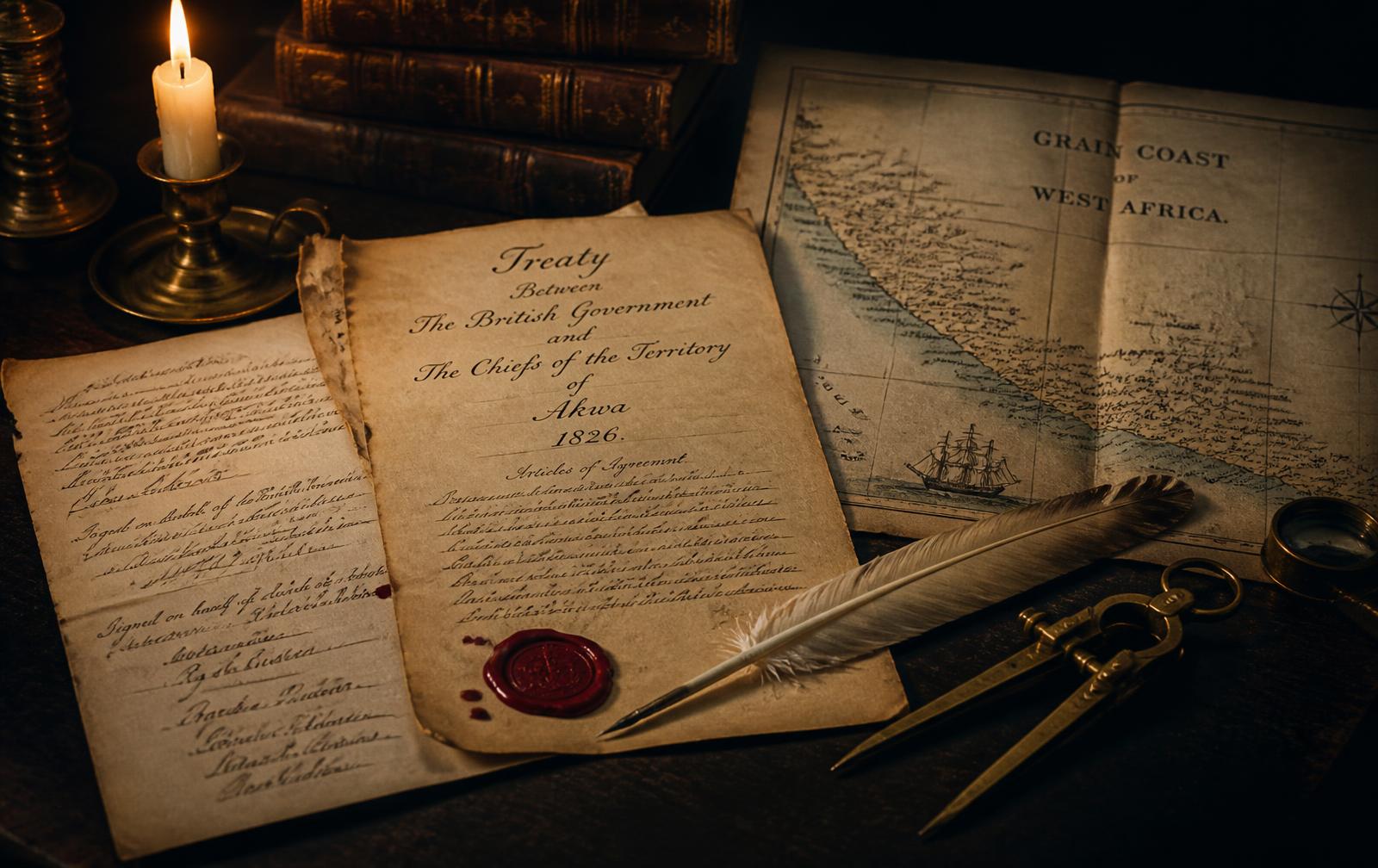
Liberia After 1822 is an in-depth historical investigation into the political, territorial, social, economic, and constitutional processes that produced the modern Republic of Liberia.
The book moves beyond conventional accounts that portray Liberia's history as beginning with the arrival of settlers from the United States. It places the Cape Mesurado agreement within the much older political world of the Dei, Bassa, Vai, Gola, Kpelle, Kru, Grebo, Kissi, Mandingo, Lorma and other Indigenous African societies whose territories, commercial networks, diplomatic systems and institutions existed long before the creation of the Liberian state.
This volume investigates the disputed meaning of the Cape Mesurado transaction, the authority of its signatories, the role of American Colonization Society agents, the involvement of the United States Navy, and the different interpretations attached to the land agreement by African leaders and American representatives.
It then traces the transfer of authority from Indigenous political systems to colonial administrators, settler officials, governors, merchants and constitutional leaders. Particular attention is given to the formation of Monrovia, territorial expansion, armed conflicts, commercial treaties, missionary activity, Indigenous resistance, settler survival, racial hierarchy, citizenship, land ownership and the emergence of Americo-Liberian political power.
Through archival records, treaties, constitutions, maps, genealogies, migration records, oral traditions and competing historical interpretations, Liberia After 1822 reconstructs the difficult path from colonial settlement to sovereign republic.
Central historical thesis
The Republic of Liberia was not created through a single event.
It emerged through a prolonged process involving:
- pre-existing African states and communities
- negotiations and disputes over land
- American colonization policies
- African American migration
- United States naval involvement
- coastal trade and territorial competition
- warfare and diplomatic alliances
- colonial administrative expansion
- constitutional development
- economic dependency
- unequal negotiations between the settler government and Indigenous populations
The Cape Mesurado agreement created a foothold for settlement, but it did not automatically establish sovereignty over the geographical territory that later became Liberia.
The formation of the republic must therefore be understood as a gradual and contested process of settlement, territorial acquisition, political centralization, constitutional construction and international recognition.
Recommended research period
1821–1862
The principal narrative begins with the Cape Mesurado agreement and continues through the permanent settlement of 1822, the formation of colonial government, territorial expansion, the Commonwealth period, independence in 1847, the presidency of Joseph Jenkins Roberts, early international recognition, and United States recognition of Liberia in 1862. A concluding section traces the long-term consequences of this founding structure through the twentieth and twenty-first centuries.